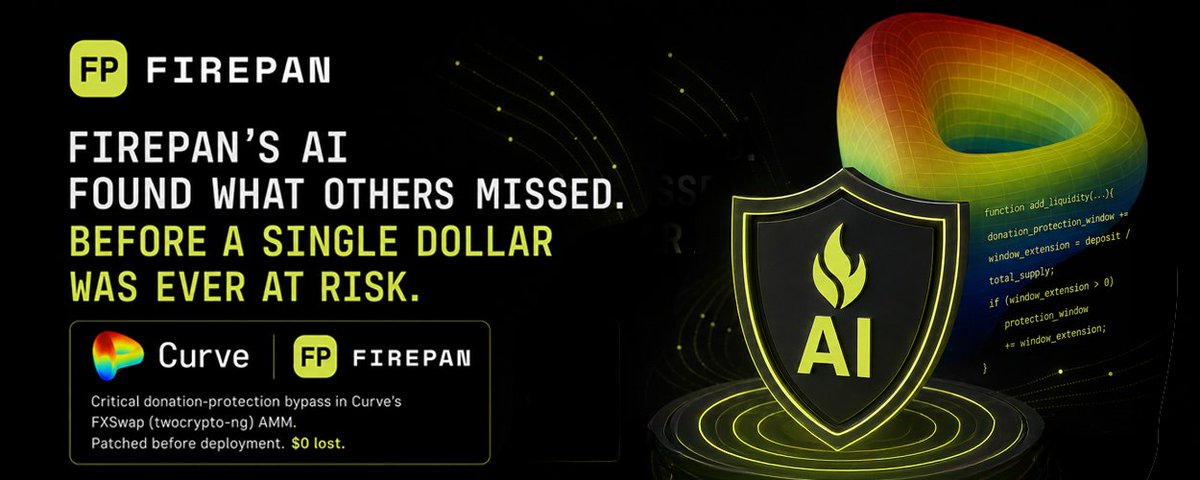
AI-driven security tools are increasingly being integrated into smart contract development and audit workflows, lowering the cost and time required for basic code reviews while expanding access to security checks for smaller teams. New products from specialized security firms and infrastructure providers use large language models and pattern-matching systems trained on historical exploits, audit reports, and best-practice repositories to scan Solidity and other smart contract languages for known vulnerability classes and suspicious logic before code is deployed onchain. These systems typically plug into developer environments or web dashboards, delivering near real-time feedback on issues like reentrancy, access control flaws, integer overflows, and misconfigured upgradeability, which traditionally required manual review or expensive human audits.
This shift is raising the baseline for crypto due diligence: automated AI audits can catch many routine bugs early, reduce the volume of findings sent to human auditors, and help teams iterate toward cleaner releases, effectively making professional-grade security practices more attainable across the ecosystem. Firms such as ChainGPT, Sherlock, HackenProof, Hashlock, and Nethermind’s AuditAgent position their AI tools as complements rather than replacements for expert reviewers, emphasizing that high-stakes protocols, novel financial logic and complex system designs still need traditional, in-depth assessments. At the same time, researchers are formalizing LLM-based auditing approaches—such as LLMSmartSec, which combines large language models with control-flow annotations—to systematically identify and remediate smart contract vulnerabilities, suggesting that AI-assisted security will become a standard layer in the Web3 development stack.
✨ AI-generated background, compiled from web sources — not editorial content.