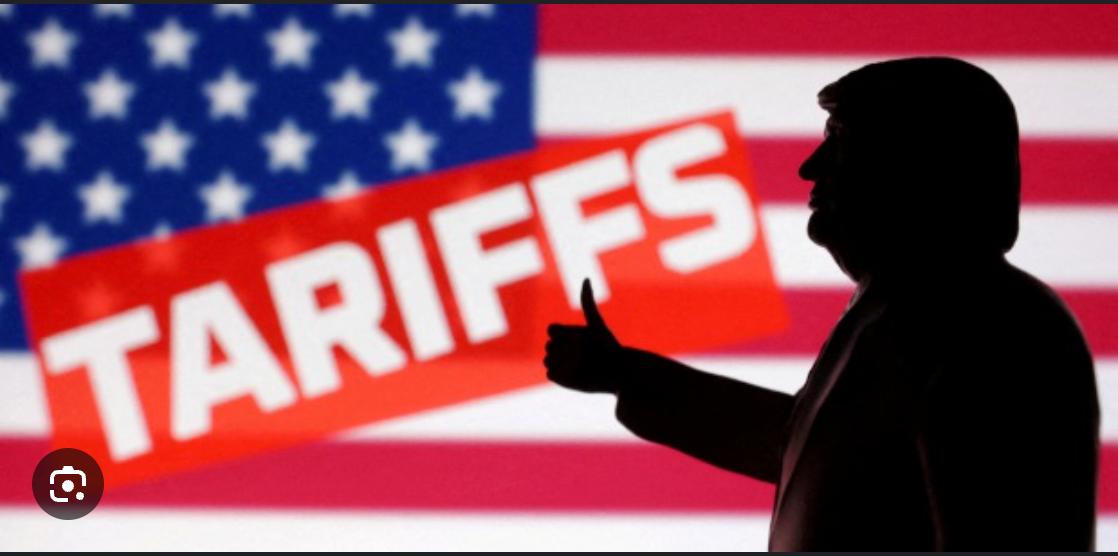
Trump slaps 30% tariffs on EU and Mexico goods starting August 1, escalating trade clash.
CNBC •
Revision history
9 recorded changes
Want your article here?
Promote with Leviathan News9 recorded changes
Want your article here?
Promote with Leviathan NewsPresident Donald Trump has announced that the United States will impose **30% tariffs on goods imported from both the European Union and Mexico starting August 1**, marking a major escalation in his second-term push for across‑the‑board trade protectionism. The move targets two of Washington’s largest trading partners and comes on top of existing sector‑specific duties, including 25% tariffs on autos and 50% tariffs on steel and aluminum from key allies. Trump unveiled the measures in letters posted to his social media platform, framing large U.S. trade deficits and, in Mexico’s case, fentanyl flows across the border as “major” national security threats justifying the new levies. The tariffs are designed as blanket 30% charges on a wide range of EU and Mexican exports to the U.S., **separate from existing sectoral tariffs**, and would apply unless new trade agreements or concessions are reached before the August deadline. European Commission President Ursula von der Leyen and Mexican President Claudia Sheinbaum have both signaled a preference to keep negotiating, while also preparing potential countermeasures if Washington follows through. EU officials have extended a suspension of their own planned retaliatory tariffs into early August to allow more time for talks, but have warned they are ready with proportionate responses. Economists and industry groups are warning that, if implemented, the broad‑based tariffs could significantly raise costs for U.S. consumers and businesses, disrupt supply chains spanning autos, agriculture, metals, and pharmaceuticals, and further strain the rules‑based global trading system by intensifying tit‑for‑tat tariff battles among major economies.
AI-generated background, compiled from web sources — not editorial content.
🚀 Love DeFi? Ready to dive in and start earning $SQUID while making an impact?