U.S. and Mexico near deal to scrap Trump’s 50% steel tariff in favor of import cap tied to trade history
Bloomberg •
Revision history
13 recorded changes
Want your article here?
Promote with Leviathan News13 recorded changes
Want your article here?
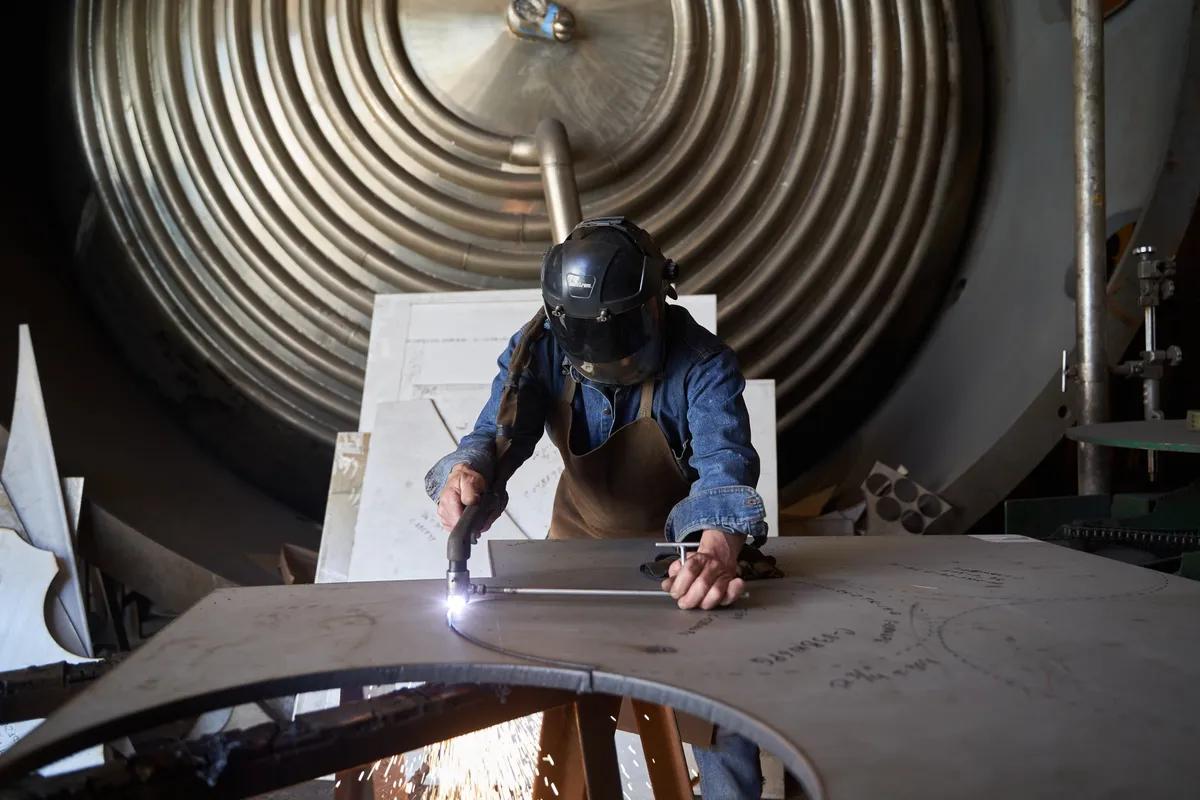
Promote with Leviathan NewsThe United States and Mexico are in advanced talks on a revised steel trade arrangement that would **replace former President Donald Trump’s 50% tariff on Mexican steel with a volume-based import cap tied to historical trade flows**. According to people familiar with the discussions cited by Bloomberg, the framework would let a specified amount of Mexican steel enter the U.S. either **duty‑free or at a sharply reduced 10% rate**, while imports above that quota would still face the full 50% duty. The quota itself is expected to be anchored to pre‑pandemic historical averages, roughly in line with Mexican export volumes from around 2015–2017, with some reporting indicating a cap near **2.8 million metric tons, or about 88% of Mexico’s 2024 steel exports to the U.S.** The effort reflects a broader attempt to balance **U.S. protectionist aims** with the needs of downstream manufacturers such as automakers and appliance producers that rely on competitively priced Mexican steel. The Trump administration previously used Section 232 of the Trade Expansion Act to impose sweeping steel and aluminum tariffs, and the U.S. and Mexico have already experimented with similar quota‑plus‑monitoring arrangements during Trump’s first term to prevent “surges” in imports while allowing some trade to continue. Under the emerging deal, U.S. officials seek to preserve leverage over steel trade and address concerns about transshipment and cheap third‑country metal, while Mexican officials are pushing for more predictable access to the U.S. market as both countries head toward key reviews of the USMCA trade pact and ongoing debates over global overcapacity, especially from Asia. The talks, led on the U.S. side by Commerce Secretary **Howard Lutnick** according to Bloomberg’s reporting, have not yet produced a finalized agreement and would still require Trump’s approval. However, the proposed structure mirrors arrangements the U.S. has recently pursued with other partners, in which **tariffs are softened but not fully removed** in exchange for quantitative limits and monitoring mechanisms. For industries such as autos, the shift from a flat 50% duty to a capped low‑tariff quota could reduce input costs and supply uncertainty, while U.S. steel producers retain a measure of protection via the high over‑quota rate. "entities":["United States","Mexico","Donald Trump","Howard Lutnick","Bloomberg","U.S. Department of Commerce","Mexican steel industry","U.S. steel industry","U.S. automakers","Section 232 (Trade Expansion Act of 1962)","USMCA (United States-Mexico-Canada Agreement)"]}```
AI-generated background, compiled from web sources — not editorial content.
𝕏/@vtg2 ·

Engadget ·
WSJ ·
CNBC ·
Investinglive ·

archive.ph ·
𝕏/@vtg2 ·
Engadget ·
WSJ ·
CNBC ·
Investinglive ·
archive.ph ·
🚀 Love DeFi? Ready to dive in and start earning $SQUID while making an impact?